|
So sorry, but the page you
wanted may have moved, or no longer exists.
Please have a
look at the following direct links
Or scroll down to find the page you require in the 'CONTENTS' list below
You can also Search This Site

(Throughout
this site just click on the above logo to return to the homepage)
|
|
|
|
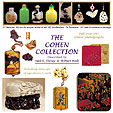
The Cohen Collection
of Asian Antiques
|
Painting
With Light
Limited Edition Prints
|
|

Projection Photography
Special Effects
The Magic Lantern
|
Joseph Cohen
and the History of Jacey Cinemas
|
|
541S & CV8
Jensen Classic Cars
|
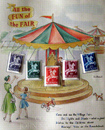
A Very Original
Postage Stamp Album
|
|
Copyright Free Royalty Free Large Photographs
That will not Date
Photobackings 100
Background Images Own A Low Cost Library
|
Investment Opportunities
UK Development Site
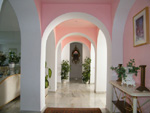
La Alcazaba
Apartment
in Puerto Banus For Sale
|
|

Design, Special Effect
Studio
and Commercial Photography
|

Contact Details
|
|
A Series of Articles on Various Subjects
by John Neville Cohen
|
|
Articles for
New Collectors of Asian Antiques
|
|
Articles on 'Painting with Light' Photography
|
|
Marilyn Monroe, Sir Michael Balcon,
Arthur Miller, Cecil
Day-Lewis & Daniel Day-Lewis
The not so
distant famous relatives
of our
Bind side of the family.
|
|
Search This Site
|
JNCOHEN Site Map
|
|
Banner or Text Links
|
My
Links Page
|
|
DIRECT QUICK LINKS
www.artist-john-cohen.net
To John Neville Cohen's dedicated site for Painting with Light Limited
Edition
(only 8 of each picture),
fine art prints for sale.
Articles for New Collectors
(Author John Neville Cohen) Invaluable
help for collectors of Asian antiques. How to buy and avoid the most
common mistakes, when buying antiques, particularly netsuke, inro, snuff
bottles and jade.
Projection Photography
the Best
Form of Painting With Light
Pure photography using only light and film
to create special effects, even with colour reversal film, without any
digital software, or darkroom chemistry!
Analogue-Photographic-Special-Effects
See how to be far more
artistic and how to do it
The Cohen Collection
Asian antiques (645 colour photos of fine Japanese and Chinese
antique; netsuke, inro, ojime, snuff bottles, pendants & jade carvings)
all fully described by renowned experts Neil K. Davey + Robert Hall. An
essential reference work for the serious collector that is beautiful and
very easy to use.
Joseph Cohen
& The History of Jacey Cinemas Ltd
Information on our family business created by my Grandfather Joseph
Cohen.
British Classic Jensen Cars
(Author John Neville
Cohen)
Very informative about the rare Jensen 541S &
CV8 sports cars, particularly about the little known superb Jensen 541S
manual drive, a classic car with lots of photos.
Copyright Free
or Royalty Free Stock Photographs
These are very low cost 18MB photographs that
will not date!
A 'Special Effects' Course
(Author John Neville Cohen) Amazing
to see what can be done in pure photography without any expensive
equipment, computer, or darkroom. All is achieved with a projector
- the magical 'Magic Lantern'. All details of this extraordinary
technique is clearly explained and all for free!
Poetic Portfolio
Fascinating photographic exhibition of 'The Magic Lantern' award winning
'special effect' photographs by John Neville Cohen.
La Alcazaba
Apartment in Puerto Banus For Sale
Outstanding 3 double bedroom apartment, all on one level, for sale at La
Alcazaba, Puerto Banus, Marbella, Spain.
Investment Opportunities
Opportunities, Property items for Sale.
Commercial Photography
Professional photography and graphic design by Actuality photodigital.
Postage
Stamps For Little People
See all the pages and paintings for a unique way of collecting stamps.
The
Planning & Paintings for The Album
Shows the first sketches and paintings and an amusing letter.
Marilyn Monroe, Sir Michael Balcon, Arthur Miller, Cecil Day-Lewis &
Daniel Day- Lewis
The not so distant famous relatives of the
Bind side of John's family.
My Blog
John Neville Cohen's
blog
|
|
 Pinterest.com
 Linkedin
 John Neville Cohen Fan Page
Painting With Light Fan Page
Jacey Cinemas Ltd Fan Page
 Flickr
 Blogger Blogger
 YouTube
 Twitter John N
Cohen
Twitter John N
Cohen
Fineartamerica.com
DeviantART
|
|

Copyright
All images and text, within this site, are
copyright and may not be copied, other than for personal reference,
without written permission from John Neville Cohen.
Copyright
1996 John
Neville Cohen
You will
find unique information, with lots of fast loading pictures, on all of
the topics below.
|
|

Throughout this site
just click on the above logo to return to my Homepage
|
|
More Links Below That Might Help
|
|
John Neville Cohen Artist
Antiques
Antique Netsuke
Antique Auctions
Antique Bargains
Artist
Art Prints
Art Photography
Art Prints For Sale
Articles for New Collectors
Asian Antiques
Big Prints
Big Prints for Sale
British Classic Jensen Cars
Buying Antiques
Camera Magic
Care of Japanese Inro
Chinese Jade
Chinese Pendants
Chinese Snuff Bottles
Cinephone
Classic British Jensen Cars
Contemporary Art Prints
Copyright Free Photos
Fine Art Prints
Flaws in Chinese Snuff_Bottles
Floating Chinese Snuff Bottles
Free Photography Course
Photography
Gallery
Gallery Exhibition
Glass Chinese Snuff Bottles
Inro
In Search of Netsuke and Inro
Invest
Cohen
Cohen Collection
Collecting Inro
Collecting Netsuke
Collecting Netsuke and Inro
Collecting Snuff Bottles
Collecting Chinese Snuff Bottles
Collecting Postage Stamps
Investment Opportunities
Ivory Netsuke
Jacey Cinemas Ltd
Jade Carvings
Jade Pendants
Jade Chinese Pendants
Japanese Inro
Japanese Lacquer
Japanese Lacquer Inro
Japanese Netsuke
Japanese Netsuke Cord hole
|
Jensen
Jensen 541S
Jensen CV8
Jensen Article
Jensen Information
John Neville Cohen
Joseph Cohen
Large Limited Edition Prints
Large Pictures
Large Prints
Large Prints for Sale
Limited Edition Art
Limited Edition Prints
The Photographic Gallery
The Magic Lantern
Marilyn Monroe
Modern Art Prints
Netsuke
Netsuke and Inro
Netsuke Signatures
News Theatre Cinema
Original Art
Painting with Light
Pendants
Photo Magic
Photographic Magic
Photographic Prints
Photographer
My Photography
Photography Gallery
Pictures and Prints
My Portfolio
Prints
Prints for Sale
Projection Photography
Property UK
Reference Jade
Reference Japanese Lacquer
Reference Netsuke
Reference Snuff Bottles
Royalty Free Photos
Snuff Bottle
Snuff Bottle Articles
Snuff Bottles
Snuffbottles
Photographic 'Special Effects'
Stamp Albums
Stamp Collecting
Stock Photos
Stone Chinese Snuff Bottles
Tatler Cinema
UK Property
|
|
Netsuke, Snuff Bottle,
Inro, Photography, Limited Edition Prints, Classic Cars, Jacey
Cinemas, Asian Antiques, Cohen Collection, Photographic Magic, Jensen
Classic Cars, Photobackings 100, John Neville Cohen, Commercial
Photography
|